
Lone worker safety,
explained clearly.
Plain-English guides to the law, the technology and the choices behind keeping people who work alone safe — written for the managers who have to make them.
 Family safety
Keeping an Elderly Parent Safe While They Live Alone
Most families don't want to move a parent into care — they want to know that if something happens, someone will find out quickly. Here's a practical guide to keeping an elderly parent safe living independently: the real risks, what actually helps (versus what's just a gadget in a drawer), and how automatic fall detection and quiet daily check-ins let them stay in their own home with far less worry. → vygard.com
Read the guide Vygard Sports
How to Stay Safe Running or Cycling Alone
Running at dawn or riding empty lanes is where you feel most free — and most exposed. Here's how to stay safe training solo: the habits that genuinely matter, what to carry, and how automatic fall and crash detection with live location mean someone knows if you go down, even miles from anywhere and out of signal. → vygard.com
Read the guide For safety & HSE leads
Lone Worker Policy: What UK Law Requires (Plus a Free Template)
If any of your people ever work alone, you need a lone worker policy — and 'we'll be careful' isn't one. Here's exactly what a compliant UK lone worker policy has to cover, what the HSE actually expects of you, and a free template structure you can adapt and put in place today. → vygard.com
Read the guide For safety & HSE leads
Lone Worker Law in the UK: Your Legal Duties, Explained
There's no single 'lone worker law' in the UK — which is exactly why employers get caught out. Here's what the legislation actually requires when your people work alone, the duties that sit on you as an employer, and what 'so far as is reasonably practicable' means in real life. → vygard.com
Read the guide Perspective
The Safety Flaw Hiding in Every Panic Button
Every personal-safety product sells you the same promise: press this button and help will come. There's a flaw in that promise, hiding in plain sight — the moments you need help most are exactly the moments you can't press anything. A fall. A collapse. Going quiet on a night shift. A panic button only works if you're conscious, able, and in signal, and real emergencies rarely give you all three. Here's the gap we built Vygard to close — and why safety shouldn't depend on your worst moment also being your most capable one. → vygard.com
Read the guide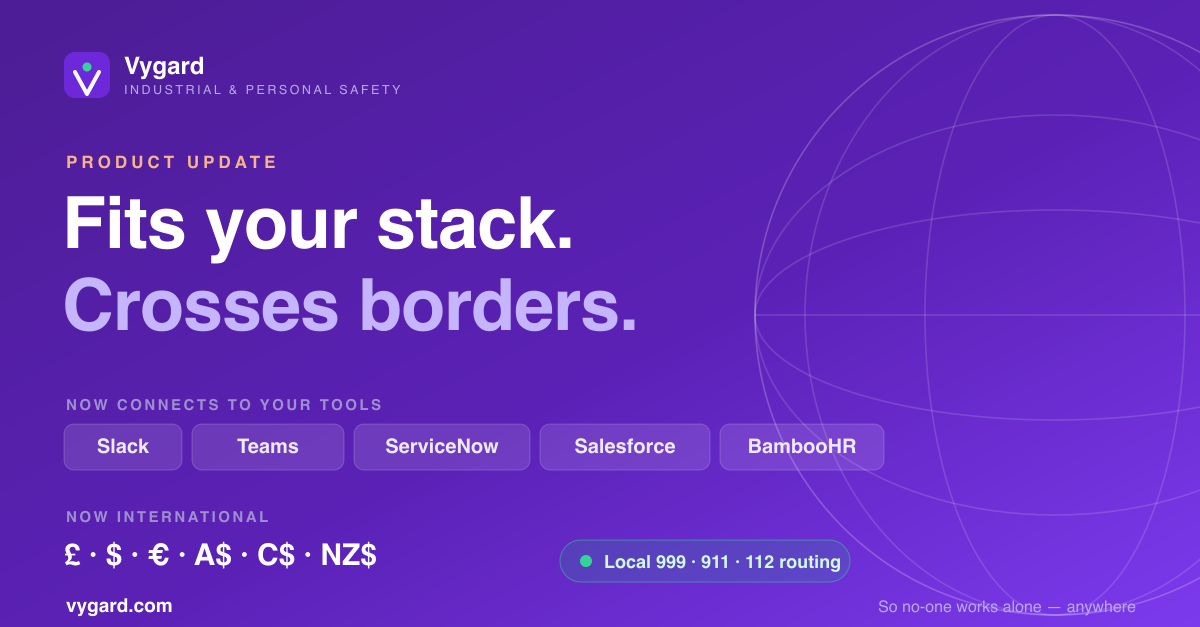 Product update
An Alarm Nobody Sees Isn't Safety
The fastest SOS in the world is useless if it lands in an app nobody's watching — or dials the wrong country's emergency number. This week Vygard fixed both. Alerts now flow straight into Slack, Teams, ServiceNow and Salesforce, so an SOS becomes a tracked incident before a human even reads it. And Vygard is now international: native pricing in six currencies, and safety that knows whether to reach 999, 911 or 112 depending on which border your people are standing behind. Not the flashy stuff — the plumbing that decides whether safety software actually gets used. → vygard.com
Read the guide Now live
Introducing Vygard: Safety for Everyone Who's on Their Own
If something happened to you right now — alone — how long before anyone knew? That's the question Vygard exists to answer: one-tap SOS, automatic fall detection, and Howie, an AI that raises the alarm the moment you can't. Safety for everyone who works, travels or ventures alone. See it at vygard.com.
Read the guide Meet the tech
Meet Howie: the AI Watcher That Notices When Something's Wrong
A panic button only helps if you can reach it. Howie is Vygard's AI watcher — it reads location, movement and check-ins, and raises the alarm when someone doesn't arrive, leaves a safe area, or simply goes quiet. Meet the safety net that acts before you can. See it at vygard.com.
Read the guide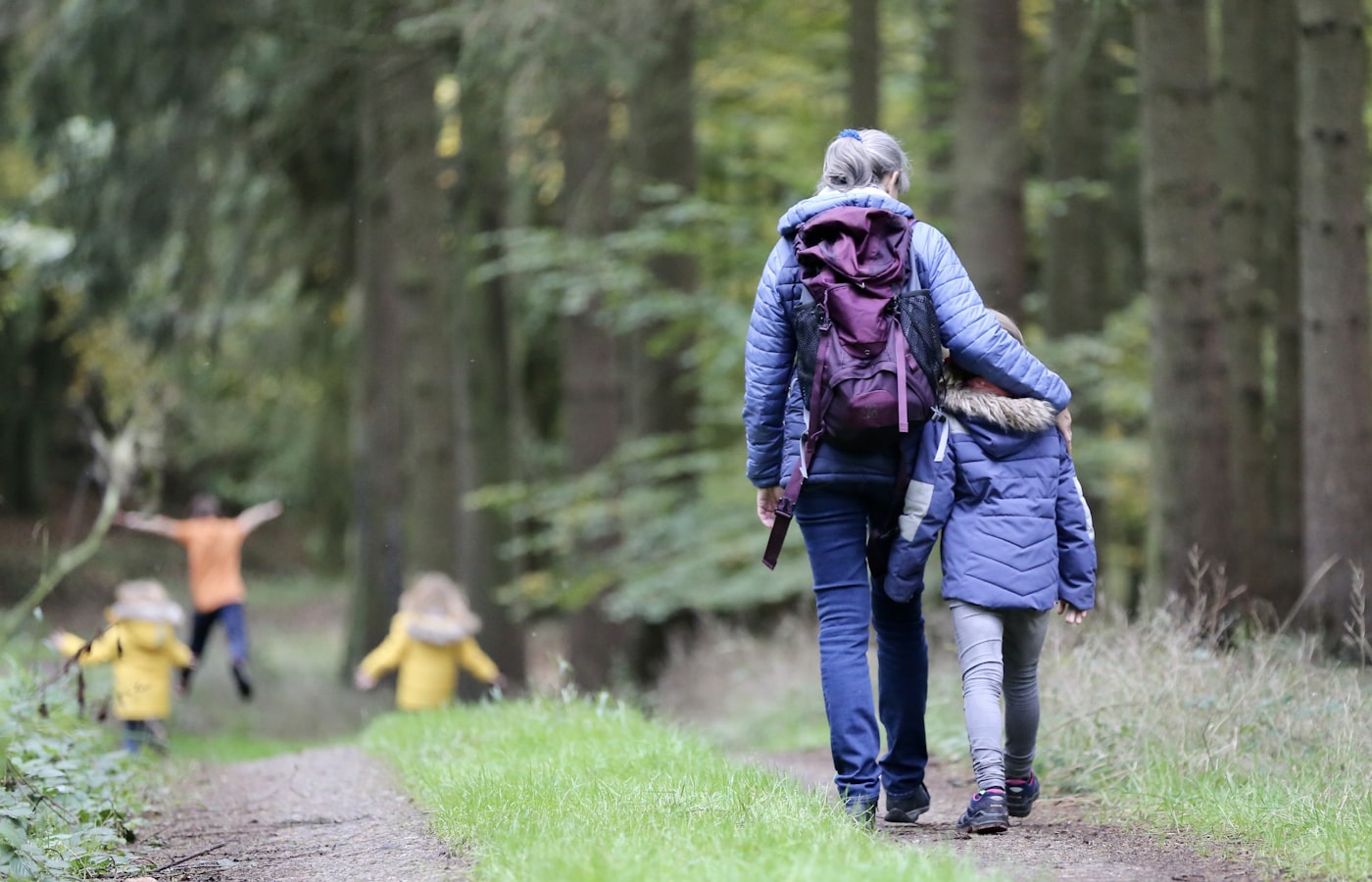 For families
Vygard Family: Know They Got There Safe
Kids walking home. A teenager's first solo drives. An older parent living independently. Vygard Family lets one household watch over everyone they love — arrival alerts, safe-zone awareness, one-tap SOS and an optional AI watcher — on one simple plan. See it at vygard.com.
Read the guide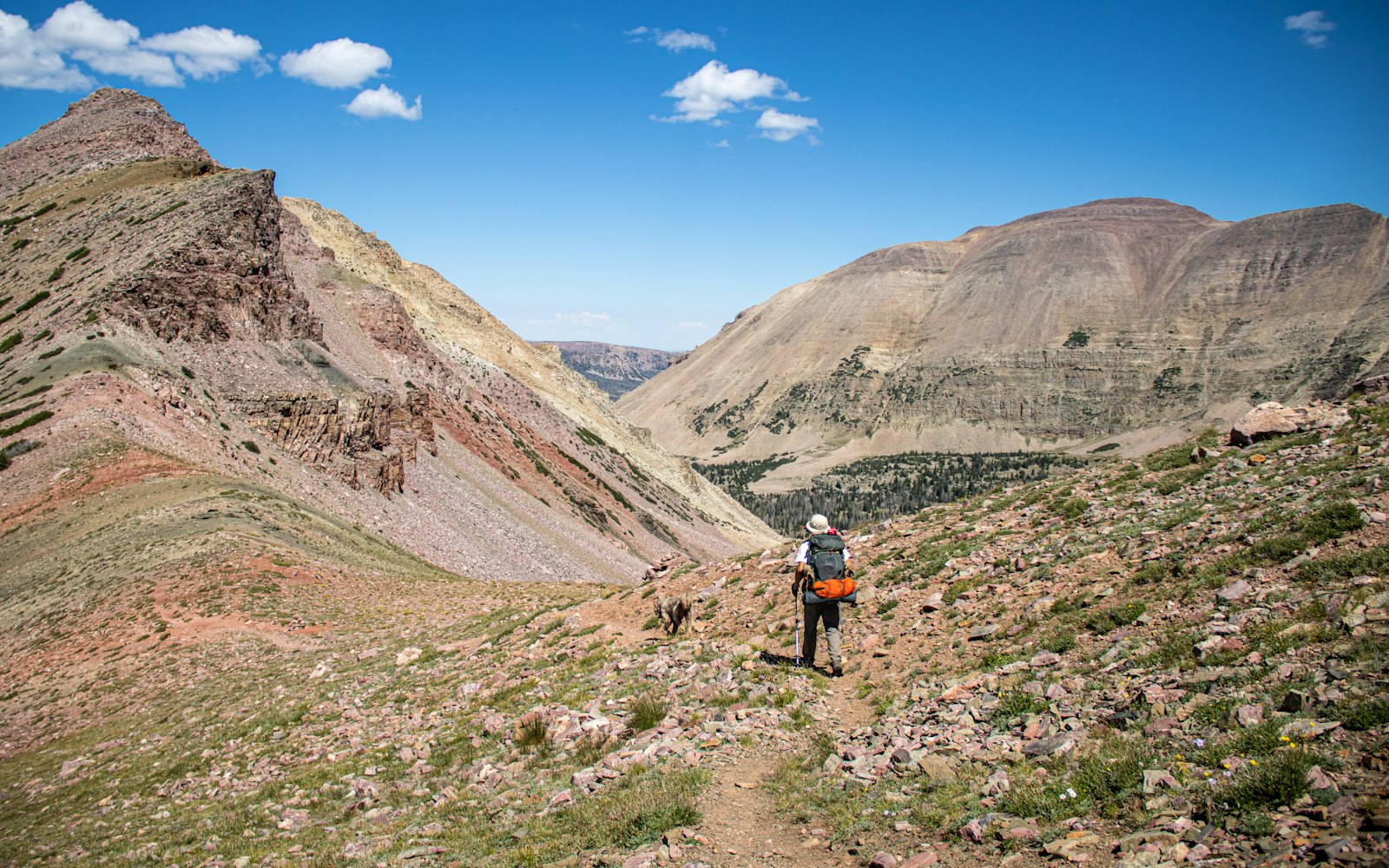 For adventurers
Vygard Sports: Never Adventure Alone
Cycling an empty lane, hiking a ridge, paddling out at dawn — the best moments are often the most alone. Vygard Sports has your back with automatic fall detection, one-tap SOS and live location to the people who'd come for you. One price, every activity. See it at vygard.com.
Read the guide- Off-grid & satellite
Off-Grid Lone Worker Safety: Getting Help Beyond Mobile Signal
Foresters, farmers, surveyors, utility crews and rescue teams work exactly where the mobile signal runs out — and a lone worker app is only as good as the network beneath it. Here's how off-grid safety actually works, when you need satellite, and what to look for.
Read the guide - Sector guide
Lone Worker Safety for Community & District Nurses
Community and district nurses lone-work every day — in strangers' homes, unpredictable situations and rural blackspots, often after dark. Here's where the real risk sits, what a lone worker solution has to do for a visiting clinician, and why discreet, monitored response matters more in healthcare than anywhere.
Read the guide - Sector guide
Lone Worker Safety on Construction Sites
Construction lone working happens more than sites admit — early starts, late lock-ups, one operative on a quiet plot, subcontractors working out of sight. Here's where the real risk sits on site, what a lone worker solution has to do for construction, and how it ties into your CDM and RIDDOR obligations.
Read the guide - Sector guide
Lone Worker Safety for Home Care Workers
Home care is lone working from the first visit to the last — in strangers' homes, alone, often after dark, for some of the lowest-paid and most exposed workers there are. Here's where the risk sits, what a care-sector lone worker solution has to do, and why discreet, monitored response matters so much.
Read the guide - Sector guide
Lone Worker Safety for Security Guards
Manned guarding is lone working by design — one officer, an empty site, the small hours, and the expectation of confronting exactly the situations everyone else is protected from. Here's where the risk sits for security officers, what a lone worker solution has to do, and why the response chain decides everything.
Read the guide - Personal safety
Personal Safety When You're Active Alone
Running, cycling, hiking, riding, climbing, open-water swimming — most of us do them alone, and most days that's fine. Here's where it goes wrong when you're on your own, what personal-safety tech should actually do, and how to give the people who worry about you real peace of mind.
Read the guide - Personal safety
Keeping a Loved One Safe When They're Alone
An elderly parent living independently, a new driver on their first solo journeys, someone with a health condition who's often on their own — you want them to keep their independence, and you want to know they're OK. Here's how to do both, with their agreement, not surveillance.
Read the guide - Buyer's guide
Lone Worker Alarms and BS 8484: What Buyers Actually Need to Know
If you're buying a lone worker solution, 'BS 8484' will come up fast — and it's where most procurement decisions get confused. Here's what the standard actually asks for, the four jobs any lone worker alarm must do, and the part buyers most often miss: the response chain.
Read the guide - New app
Vygard Forestry: Chainsaw-Kickback Detection for Lone Forestry Workers
Forestry is one of the most dangerous jobs in the UK, and much of it is done alone. Vygard Forestry — now on the App Store — pairs an iPhone with an Apple Watch to detect a chainsaw kickback automatically and raise the alarm when the worker can't reach for a phone.
Read the guide - New app
Vygard Elder Care: Independent-Living Safety Without a Camera in the Room
Most falls happen at home, to people who value living independently. Vygard Elder Care — now on the App Store — brings automatic fall detection, one-tap SOS and daily welfare check-ins to telecare and independent-living providers, with dignity kept firmly in mind.
Read the guide - New app
Vygard Rescue: Team Safety for the Volunteers Who Head Out When Everyone Else Comes In
Mountain rescue, coastguard and swift-water teams work in the most hostile terrain in the UK. Vygard Rescue — now on the App Store — gives controllers a live map of every responder and one-tap SOS when a rescuer becomes the casualty.
Read the guide - Guide
Lone Working in Mobile Blackspots: Protecting People Where Phones Don't Work
Forests, valleys, plant rooms and rural rounds — much of the UK's riskiest lone working happens exactly where mobile signal fails. How to assess blackspot risk honestly, the controls that still work without signal, and how modern lone-worker systems handle the gaps.
Read the guide - Guide
Lone Worker Risk Assessment: A Practical UK Template
How to run a lone worker risk assessment that satisfies the HSE and actually protects people: a practical step-by-step structure, worked examples and the controls assessors expect to see.
Read the guide - Guide
Writing a Lone Working Policy: What to Include (UK)
A practical structure for a UK lone working policy: scope, responsibilities, check-in rules, escalation, training and review — with the clauses safety audits look for.
Read the guide - Guide
Lone Worker Apps vs Dedicated Devices vs BS 8484 Alarm Services: What UK Employers Actually Need
Phone apps, dedicated devices and BS 8484-certified ARC monitoring compared honestly: costs, battery and signal realities, fall detection, what the standard covers and when contracts or insurers require it.
Read the guide - Guide
Lone Worker App Comparison UK: What to Look For and How the Options Differ
A criteria-led UK comparison of lone worker apps: check-in scheduling, escalation, monitoring model, audit trail and cost model — the five axes that actually separate the options, and how to score any vendor against them.
Read the guide - Guide
The Real Cost of Lone Worker Protection: Apps vs Devices vs Monitored Services
What lone worker protection actually costs UK employers: the cost structure of apps, dedicated devices and ARC-monitored services — including the hidden lines (hardware refresh, admin time, false alarms) that never appear on the quote.
Read the guide - Guide
Setting Up a Lone Working Check-in Procedure That People Actually Follow
How to design a lone worker check-in procedure that survives contact with real shifts: choosing intervals by risk, defining the missed check-in response, beating alert fatigue and making the habit stick.
Read the guide - Guide
Lone Worker Safety & Duty of Care: A UK Guide
A practical UK guide to lone worker safety: what the law and HSE expect, employer duty of care, risk assessment and the technology that helps.
Read the guide - Guide
Man Down Alarms: How They Work and How to Choose
A UK guide to man down alarms: how fall, no-motion and tilt detection work, device versus app, false alarms, ARC monitoring, BS 8484 and choosing one.
Read the guide - Guide
Lone Worker App vs Device: Which Is Right for You?
Lone worker apps versus dedicated devices compared: how each works, pros and cons, cost, reliability, battery, when each fits and hybrid approaches.
Read the guide - Sector guide
Lone Worker Safety in Care & Social Care
A practical UK guide to keeping community and domiciliary care workers safe on solo home visits, covering aggression, medical emergencies and CQC duties.
Read the guide - Sector guide
Lone Worker Safety in Construction
A UK guide to protecting solo construction workers, covering work at height, plant, confined spaces, remote sites with poor signal and CDM and HSE duties.
Read the guide - Sector guide
Lone Worker Safety in Security
A UK guide to protecting lone security guards, door supervisors and mobile patrols, covering confrontation, BS 8484, graded police response and SIA context.
Read the guide
Ready to see it on your data?
Self-serve the live demo or book a 30-minute call with our team.